PUBG Mobile UC New Zealand: Currency Conversion and Payment Guide
A comprehensive guide for New Zealand PUBG Mobile players focusing on NZD currency transparency, payment verification, and calculating the best value for Unknown Cash top-ups.
Midazbuy Editorial ·
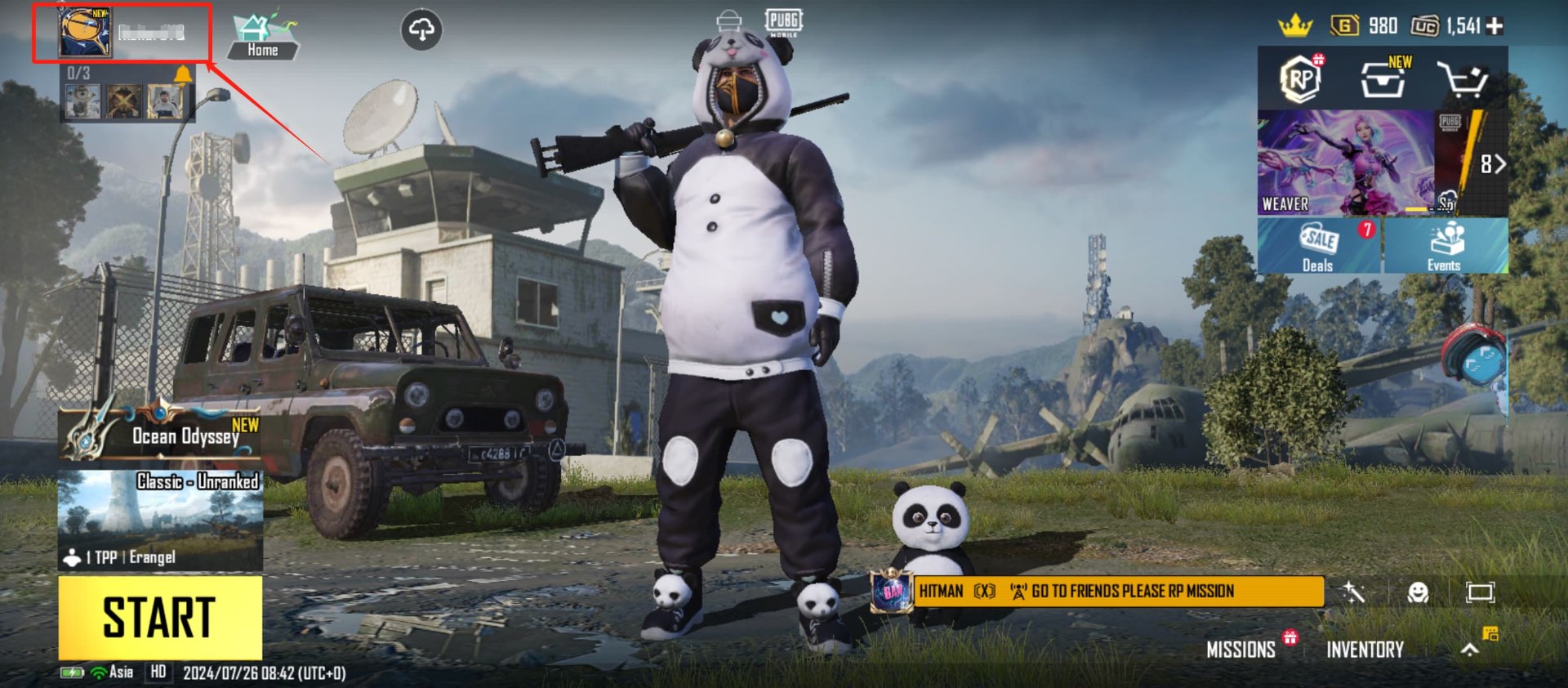
Navigating the world of in-game currency in New Zealand requires a clear understanding of how local currency interacts with global gaming platforms. For PUBG Mobile players in Aotearoa, acquiring Unknown Cash (UC) is not just about the transaction; it is about ensuring that every New Zealand Dollar (NZD) spent translates into the best possible in-game value. This guide, updated for October 2026, provides a professional breakdown of the UC ecosystem specifically tailored for the New Zealand market, focusing on currency transparency and secure payment practices.
Understanding UC Value in New Zealand Dollars
When New Zealand players look to enhance their PUBG Mobile experience, the primary hurdle is often understanding the fluctuating relationship between the NZD and the digital goods offered. Unlike fixed-price physical goods, digital currency like UC is subject to various market forces. To get the most out of your purchase, you must look beyond the surface price. Calculating the unit price per UC is the most effective way to determine if a specific pack offers a fair deal. For instance, if you are looking at a large bundle, divide the total NZD cost by the total UC received to find the cost per unit. This mathematical approach ensures that your gaming budget is managed with the same precision you would use for any other significant expenditure. Always remember that the final price you see at the checkout is the definitive amount, encompassing all regional adjustments and platform fees that might apply to a New Zealand-based transaction.
The Importance of Currency Conversion Transparency
Transparency in currency conversion is a cornerstone of a safe purchasing environment for Kiwi gamers. When you initiate a top-up, the platform often converts a base price into NZD. It is vital to use services that clearly display the final NZD amount before you authorize the payment. This prevents "sticker shock" where the amount deducted from your bank account differs from what was initially advertised. In New Zealand, banking institutions may also apply their own foreign transaction or processing fees depending on their specific terms and conditions. By choosing a transparent path through the official NZ UC store, you minimize the risk of hidden costs. Always cross-reference the displayed price with your bank's current conversion rates if you are concerned about the spread, ensuring that the transaction remains within your intended budget for the month.
Evaluating UC Pack Totals and Value Tiers
In the New Zealand market, UC packs are structured with a base amount and a bonus component. Understanding this distinction is crucial for value-conscious players. It is important to ignore outdated package labels and focus on the actual UC delivered to your account. For example, a common mid-tier pack provides a total of 2028 UC (consisting of a 1107 base + 921 bonus). When comparing packs, always look at the total UC delivered relative to the NZD price. Illustrative estimates in the current market suggest that larger packs, such as those totaling 10617 UC (7488 base + 3129 bonus), often provide a higher percentage of bonus UC compared to smaller increments. A pack priced at approximately NZ$150+ for over 10,000 UC represents a different value proposition than a smaller NZ$30 pack. While the upfront cost is higher, the cost-per-UC typically drops as the volume increases. Players should evaluate their long-term skin or Royale Pass goals to decide if a single larger purchase is more economical than multiple smaller ones over time.
Secure Payment Verification for Kiwi Players
Security should be the top priority for any New Zealand player when topping up UC. The digital landscape requires a vigilant approach to protecting financial information. Before entering any payment details, ensure that the website is secure and recognized as an authorized channel. The presence of a padlock icon in the browser address bar and a URL that matches the official PUBG Mobile ecosystem are basic but essential checks. In New Zealand, players typically have access to various international payment standards, primarily credit and debit card flows. However, the specific methods available to you will only be confirmed at the final checkout screen. It is a best practice to never share your account password or sensitive billing information with third-party individuals claiming to offer "discounted" UC outside of official channels. Official platforms will only require your Player ID to deliver the UC directly to your in-game balance.
Budgeting for the Royale Pass in NZD
The Royale Pass is one of the most popular uses for UC in New Zealand. To budget effectively, players need to know exactly how much NZD they need to set aside for each season. Since the cost of the Royale Pass is fixed in UC, but the price of UC can vary in NZD based on exchange rates, it is wise to maintain a small buffer in your gaming budget. For instance, if a pass costs 600 UC, you should look for the UC pack that most closely matches this requirement without leaving an excessive, unusable balance, unless you plan on further purchases. By analyzing the available packs, a Kiwi player might find that a mid-tier pack provides enough UC for the pass plus some extra for crate openings, offering better utility than buying the bare minimum. Planning your purchases around the Royale Pass cycle allows for better financial control and ensures you never miss out on seasonal rewards due to a lack of funds.
Navigating Potential Bank Fees and Charges
While the top-up platform displays a specific price in NZD, New Zealand players should be aware of their own bank's policies regarding online and international transactions. Some NZ banks may classify these purchases in a way that incurs a small processing fee or a currency conversion margin if the transaction is processed through an offshore gateway. These fees are not controlled by the game or the UC provider but are a matter between the cardholder and their financial institution. To avoid surprises, it is recommended to check your bank's fee schedule for "international transaction fees" or "online purchase fees." If you notice a discrepancy of a few cents or a couple of dollars between the checkout price and your bank statement, this is likely the cause. Choosing a payment method that is natively handled in NZD can often mitigate these additional costs, but availability is always determined at the moment of checkout.
A Buyer’s Checklist for New Zealand Top-ups
Before finalizing any UC purchase, every Kiwi gamer should run through a quick mental checklist to ensure a smooth transaction. First, verify that your Player ID is entered correctly; a single digit error can result in the UC being sent to the wrong account, which is often difficult to rectify. Second, confirm that the region is set to New Zealand to ensure you are seeing the correct NZD pricing and relevant local payment options. Third, compare the total UC (base + bonus) against the price to ensure you are getting the expected value. Fourth, read the refund policy to understand your rights in the event of a technical failure. Finally, ensure you have a stable internet connection during the payment process to prevent the transaction from timing out. Following these steps reduces the likelihood of errors and ensures that your NZD is spent effectively and securely.
Analyzing UC Pack Math: Illustrative Examples
To truly master your spending, you must look at the math behind the packs. Let's look at some illustrative existing store estimates for the New Zealand market. A pack offering 3808 UC total (2250+1558) for a set NZD price gives you a certain value per dollar. In contrast, a larger pack of 8494 UC (5760+2734) might offer a better ratio. By calculating (Total UC / Price), you can see exactly how much UC you get for every NZ$1 spent. For example, if a pack costs NZ$50, you can determine the exact unit cost. This clear mathematical breakdown shows that larger investments, if within your budget, provide significantly more in-game currency for the same amount of real-world money. These examples are for illustrative purposes, and players should always perform this calculation based on the real-time prices shown at the official store path at the time of purchase.
Identifying Authorized UC Sources in NZ
The New Zealand gaming community is often targeted by unofficial resellers. It is critical to distinguish between authorized platforms and risky third-party sites. Authorized sources have direct integrations with the game's developers, ensuring that the UC is legitimate and your account remains in good standing. Using unauthorized sites can lead to account bans or the reversal of UC balances if the source of the currency is found to be fraudulent. For Kiwi players, the safest route is always through the official in-game shop or the recognized web-based top-up centers. These platforms will never ask for your login credentials—only your Player ID. If a site asks for your Facebook or Twitter login to "sync" your UC, it is a major red flag. Protect your account by sticking to the verified channels linked within the game's official communications.
Managing UC for Competitive Play and Events
New Zealand has a vibrant competitive PUBG Mobile scene, and many players use UC to participate in specific events or to acquire gear that reflects their team identity. During major tournaments or seasonal events, there are often special promotions or time-limited crates. If you are a competitive player in NZ, it is beneficial to time your UC purchases to coincide with these events. However, the principle of currency transparency remains the same. Even during a high-pressure event, take the time to verify the NZD cost. If an event requires a specific amount of UC, plan your top-up in advance to avoid last-minute issues with payment verification. By maintaining a small reserve of UC, you can react quickly to new drops without needing to navigate the checkout process during a gaming session.
The Role of Customer Support in NZ Transactions
Even with the best preparation, issues can occasionally arise during the top-up process. Whether it is a delay in UC delivery or a technical error at the payment gateway, knowing how to access support is vital. New Zealand players should first check the help center for answers to common problems such as "missing UC" or "payment failed." If the automated resources do not resolve the issue, the next step is to use the contact us page to reach out to a support representative. When contacting support, have your transaction ID, Player ID, and proof of purchase (like a bank screenshot or email receipt) ready. Being professional and providing clear information will help the support team resolve your NZD transaction issues much faster. Remember that support can only help with transactions made through official, authorized channels.
Long-term UC Budgeting Strategies
For the dedicated Kiwi gamer, UC is a recurring expense. Developing a long-term budgeting strategy can save a significant amount of money over a year. Instead of making impulse purchases, consider setting a monthly NZD limit for gaming. By aggregating your planned spending, you might be able to afford one of the larger UC packs every two or three months, rather than buying small packs every week. As shown in our previous math examples, such as the 5902 UC (3600+2302) tier, this shift in strategy can result in hundreds of extra UC for the same total NZD spend due to the higher bonus tiers in larger bundles. This disciplined approach to currency conversion and payment management ensures that your hobby remains sustainable and that you are always getting the best possible value from the New Zealand market.
Final Verification and Transaction Completion
The final step in any UC top-up is the confirmation. Once the payment is processed, the UC should appear in your PUBG Mobile account almost instantly, though it can sometimes take a few minutes during peak times. In New Zealand, you will usually receive an email confirmation of the transaction. Keep this for your records. If the UC does not appear within a reasonable timeframe, do not attempt to purchase the same pack again immediately, as this might result in a double charge. Instead, check your bank balance to see if the funds were deducted and wait for the confirmation email. If the funds are gone but the UC is missing, that is the time to contact support. By following these professional guidelines, New Zealand players can enjoy a seamless and transparent experience while building their in-game arsenal.
Understanding Regional Payment Restrictions
It is important for players in New Zealand to understand that payment availability is strictly determined by local financial regulations and platform agreements. While some regions may offer a wide variety of local e-wallets, the New Zealand market primarily relies on established card networks. Players should not expect support for niche international wallets unless they are explicitly listed at the checkout. Furthermore, players should avoid using VPNs or other methods to circumvent regional pricing, as this violates the terms of service and can lead to permanent account suspension. Staying within the official New Zealand payment flow ensures that your transaction is protected by local consumer rights and that your UC is delivered without complication.
Maximizing Value During Seasonal Updates
As PUBG Mobile evolves with new updates, the demand for UC often spikes. For Kiwi players, this means being proactive about top-ups. By keeping an eye on the total UC amounts—such as the 2028, 3808, 5902, 8494, and 10617 UC tiers—you can plan your spending to match the release of new skins or gameplay features. Always verify the total amount at checkout, as these figures represent the most accurate current estimates for total UC delivery. By focusing on these verified totals rather than ambiguous package names, you ensure that your NZD investment is always backed by factual data and transparent delivery practices.